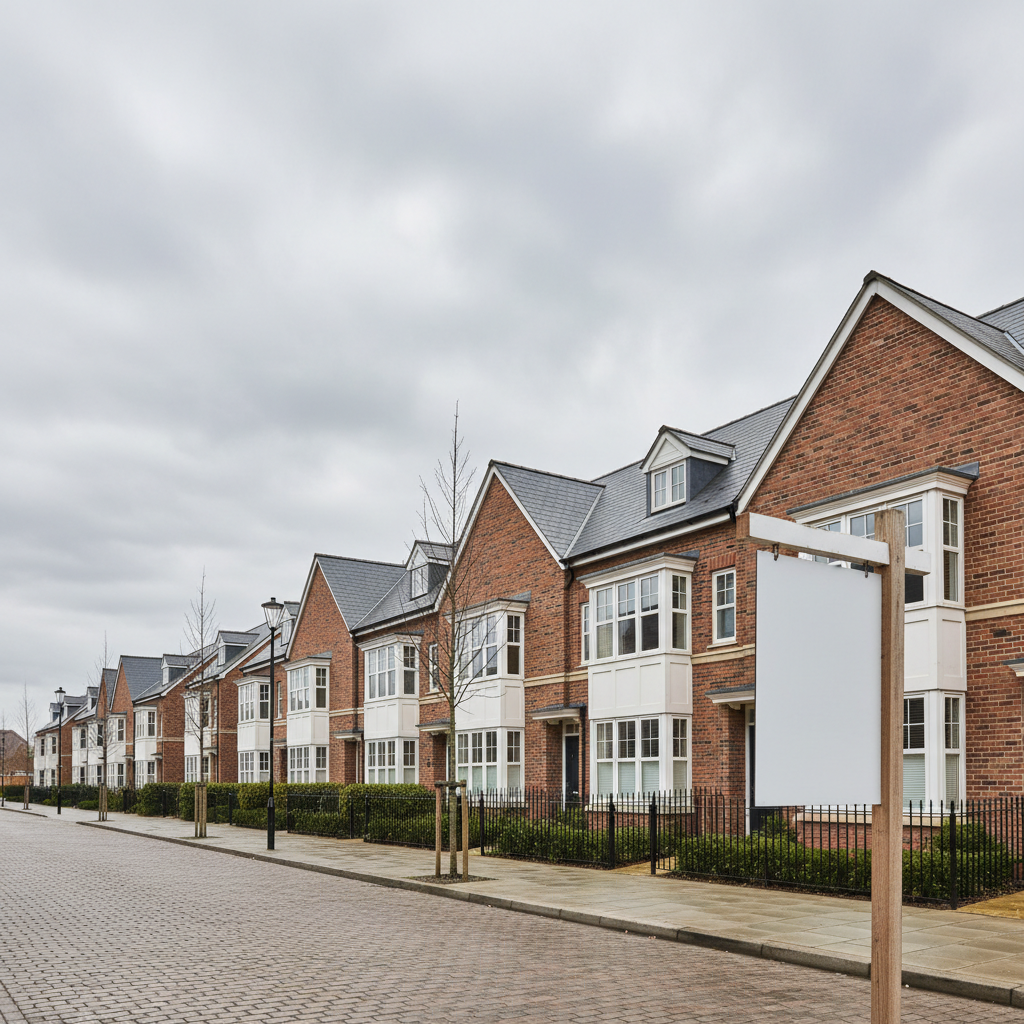
Recent reports from the UK press highlight a notable decline in national house sales, driven by the sustained impact of high mortgage rates. This contraction in transaction volumes serves as a critical indicator for residential investors and developers, directly influencing market sentiment and future pricing expectations. As affordability constraints persist through the third quarter of 2026, market participants must recalibrate their strategies to navigate a distinctly price-sensitive environment.
The Impact on Valuations and Demand
The current interest rate landscape has fundamentally altered buyer dynamics across the UK residential sector. With the cost of debt remaining elevated, retail buyer demand has softened significantly. This shift has led to longer transaction timelines and introduced downward pressure on capital values across various regional markets.
For property owners and investors, this dampened market necessitates a highly measured approach to asset valuation. Over-optimistic pricing is increasingly likely to result in stagnant listings and reduced buyer interest. Conversely, realistic valuations grounded in current transaction evidence are essential for achieving timely disposals. Buyers are conducting rigorous due diligence, meaning that vendors must be prepared to demonstrate clear value to secure a successful exit.
Challenges and Solutions for Developers
Residential developers face specific headwinds in this climate, particularly concerning off-plan sales. Retail buyers are increasingly hesitant to commit to future completions without absolute certainty over their long-term mortgage costs. This hesitation can disrupt cash flow projections for ongoing schemes.
To maintain sales momentum, developers must consider alternative buyer incentives or explore bulk disposals to institutional investors. Furthermore, securing competitive development finance is paramount in a slower sales environment. Through our Capital Advisory division, GLPG assists developers in structuring optimal debt and equity finance packages. We ensure that capital stacks are resilient enough to withstand extended sales periods. Securing flexible financing terms can provide developers with the necessary buffer to navigate slower retail absorption rates without compromising project viability.
Strategic Acquisitions and Investment Timing
While a suppressed housing market presents obvious challenges for immediate disposals, it concurrently generates compelling opportunities for well-capitalised investors. A reduction in competition from owner-occupiers allows professional investors to negotiate more favourable entry prices on residential assets or land sites.
The GLPG Agency division advises clients that current market conditions strongly favour strategic acquisitions, particularly in locations with robust underlying rental demand. As homeownership becomes temporarily less accessible for a segment of the population, the private rented sector continues to experience strong tenant demand. Investors who can deploy capital efficiently in this window will be well-positioned for immediate yield generation and subsequent capital growth when the economic cycle eventually turns.
Affordable Housing Considerations
The pressures of high mortgage rates also ripple deeply into the affordable housing sector. As private market affordability wanes, local authorities and housing associations are facing heightened demand for affordable tenures and shared ownership models.
For developers, this underscores the critical importance of efficient S106 negotiations. Engaging early with registered providers to agree on affordable housing allocations can secure vital, guaranteed cash flow for wider development projects. The GLPG Affordable Housing division specialises in facilitating these complex partnerships, helping clients to optimise development viability while fulfilling local authority housing obligations.
Looking ahead, the trajectory of UK house sales will remain inextricably linked to macroeconomic policy. Market participants should closely monitor upcoming inflation data and central bank announcements. Any forward guidance indicating a stabilisation or reduction in baseline interest rates will likely be the primary catalyst required to restore confidence and stimulate a recovery in national transaction volumes.